Yanomami invade National Health Foundation as health deteriorates rapidly
December 5, 2005
This page was created in 2005 and may contain language which is now outdated.
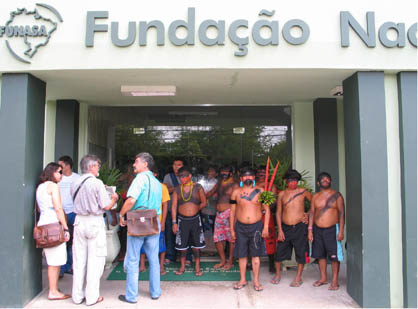
On 23 and 28 November, Yanomami Indians invaded the offices of the National Health Foundation FUNASA in Boa Vista to demand that it resume health care to the Yanomami in their communities. Health work has been paralysed for weeks as FUNASA has not paid its staff, and no health teams or medicines are being flown into the area. Yanomami spokesman Dário Vitório said that, 'Malaria, dysentry and other illnesses are increasing again. We are very sad about this.'
In the region of Toototobi, the NGO CCPY reports that, between 15 and 22 November alone, 40 cases of malaria were recorded. In Amazonas state about 5,000 Yanomami are receiving no health care and according to the NGO SECOYA, there have been over 700 cases of malaria recorded among the Yanomami living along the Marauiá and Padauiri rivers.
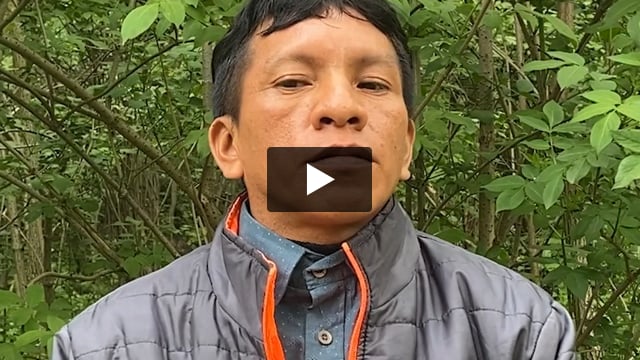
Davi Kopenawa, president of the Yanomami organisation Hutukara, in an open letter says, 'We Yanomami are very worried indeed because the xawara (contagious diseases) in our forest will not go away. We don't all want to die again because of the xawara. Thinking about this makes us very worried and sad. The FUNASA people do not want to send money for the Yanomami as they should do. They only spend money in the city. They do not help us to buy medicines. For this reason, some of our children have died. In our land there is no medicine and so the dangerous xawara are increasing in our homes.'
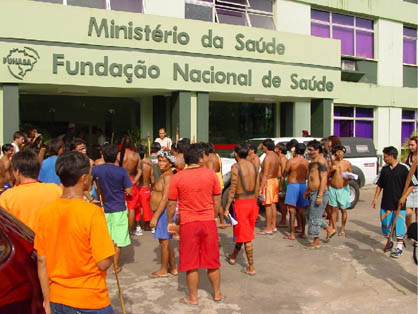
At an extraordinary meeting of the Yanomami and Ye'kuana District Council on 1 December in Boa Vista, Indigenous leaders released a statement. In all the history of Indigenous health, we have never seen such suffering provoked by the total negligence of the government and health authorities.'
The health situation is aggravated by the presence of goldminers working illegally in the Yanomami territory. In one community they were reported to have expelled government health workers. Many Yanomami fear that if the goldminers are not swiftly removed by the police, diseases will spread and violent conflict will erupt.